
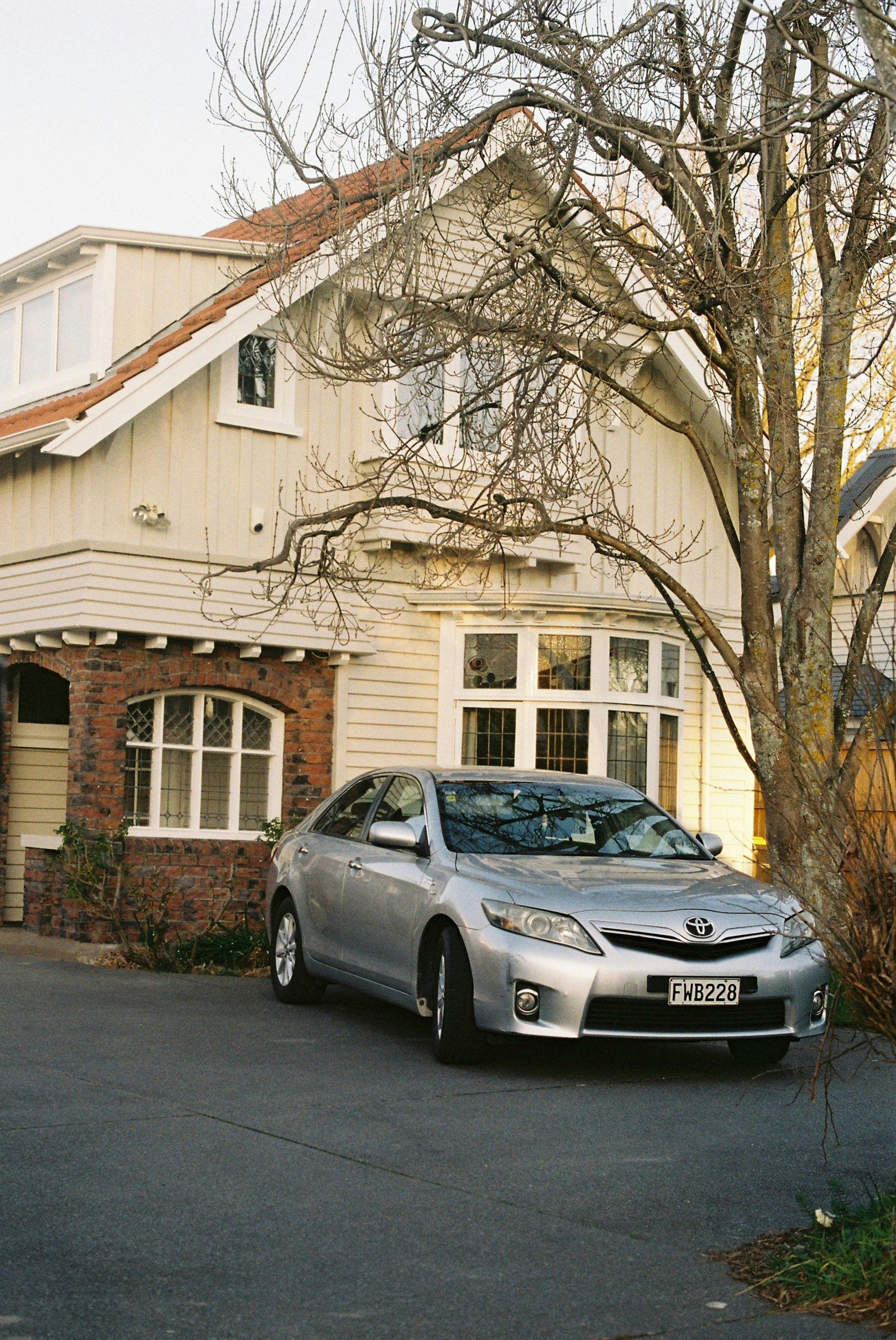

Bundling is marketed as a guaranteed win, but the real math is more complicated. Some carriers genuinely reward loyalty with 20-25% off, while others quietly inflate single-policy prices so the bundled rate only looks like a discount. Here's how to tell the difference before you sign.
Walk into any insurance quote process and the first suggestion you'll hear is the same: "Bundle your home and auto and save." It's plastered on every ad, repeated by every agent, and baked into nearly every quoting tool. And for millions of households, it really does save money, sometimes significant money.
But there's a catch most shoppers never hear about. Not every carrier applies a bundle discount to honest, competitive base rates. Some quietly raise the standalone home or auto price first, then subtract a percentage so the bundle "looks" cheaper than shopping two separate policies. The sticker savings are real, but the comparison is rigged.
This guide breaks down when bundling genuinely wins, when it doesn't, and exactly how to stress-test any bundle quote you're offered. See our full comparison of carriers at homebeehub.
What Bundling Actually Is
Bundling, sometimes called a multi-policy discount, means buying two or more insurance products from the same carrier: typically home and auto, though renters, condo, umbrella, life, and RV policies also qualify with most insurers. In exchange for consolidating, the company offers a percentage reduction on one or both policies.
The national average bundle discount in 2026 sits between 5% and 25% depending on the carrier, the state, and which combination you choose. Home + auto is the most common and typically the largest discount, because those are the two most profitable consumer products insurers sell.
When Bundling Is Clearly Worth It
Let's start with the cases where the math is almost always in your favor. If you fit any of these profiles, a bundle is likely the right move.
You Have a Clean Record on Both Sides
Insurers give the biggest bundle discounts to low-risk households, drivers with no at-fault accidents in 5+ years, and homeowners with no claims in 5+ years. When your risk profile is strong, carriers compete for your business and the bundle becomes a loyalty reward rather than a price manipulation tool.
Real numbers: A homeowner paying $1,600/year and a driver paying $1,400/year can realistically save $500-$750 annually through a 15-20% bundle discount, as long as the base rates are competitive to begin with.
You Own a Newer Home and Drive a Newer Car
Carriers love insuring modern, low-risk assets, newer homes with updated systems and newer vehicles with advanced safety features. If both your home and vehicle fit that profile, bundle discounts tend to be applied to already-competitive base rates, meaning your savings are real, not cosmetic.
You Value Convenience and One Point of Contact
Even when bundle savings are modest, many households value having a single agent, one login, one billing cycle, and one claims process. If a bundle gets you within $100-$200/year of the cheapest unbundled combination, that convenience is genuinely worth something, especially when filing overlapping claims (like a storm that damages both your roof and your car).
You Want Stronger Claims Leverage
Long-term bundled customers often receive better claims treatment: faster adjusters, more flexibility on gray-area claims, and retention discounts when they consider leaving. This isn't advertised, but it's real. A five-year bundled customer has more negotiating power than a 12-month policyholder.
When Bundling Can Quietly Cost You More
Here's the part most people never hear. Bundling is not automatically cheaper, and in certain situations it's measurably more expensive than buying two policies from two different carriers.
The Inflated Single-Line Trap
Some carriers advertise a 20% bundle discount, but their standalone home or auto premium is already 25-30% above market. The "discount" brings the price back down to roughly competitive, while making you feel like you're getting a deal. When you run the math against two honest standalone quotes from different companies, the bundle can end up more expensive, even with the discount applied.
A realistic example: Carrier A quotes $1,800 for home and $1,600 for auto standalone ($3,400 total), then applies a 20% bundle and offers it at $2,720. Sounds great. But Carrier B offers home standalone at $1,400 and Carrier C offers auto standalone at $1,100, totaling $2,500. The bundle looked cheaper in isolation, but cost $220 more than splitting.
This isn't universal, plenty of carriers apply bundles to honest base rates, but it's common enough that every shopper needs to check before signing.
You're a High-Risk Driver With a Low-Risk Home
Bundling is most powerful when both risks are similar. If you're a homeowner with zero claims but also a driver with two at-fault accidents, many carriers will price the auto portion punishingly high and cancel out your bundle savings. In that scenario, placing the auto policy with a non-standard carrier specializing in higher-risk drivers often beats the bundle by $300-$600/year.
Your Home Is in a High-Risk Zone
If you live in a wildfire, hurricane, or hail-belt zone, standalone home insurance is already expensive, and carriers often refuse bundle discounts on catastrophe-exposed policies. Meanwhile, a specialty home carrier may offer a competitive standalone rate, leaving you better off splitting.
You Drive a High-Performance or Specialty Vehicle
Sports cars, classic cars, modified vehicles, and high-mileage commuters are often better covered by specialty auto insurers. Forcing one of these vehicles into a bundled standard-carrier policy can add $400-$800/year compared to insuring it with a carrier that actually specializes in that profile.
How to Stress-Test Any Bundle Quote
Never accept a bundle quote at face value. Here's the exact process that separates real savings from cosmetic ones.
Step 1: Get the Unbundled Breakdown
Ask your carrier for the standalone home premium and standalone auto premium before any multi-policy discount. Every carrier can produce this. If an agent refuses or says it "doesn't work that way," treat that as a red flag and shop elsewhere.
Step 2: Shop Each Policy Separately
Get 3 standalone home quotes from different carriers, and 3 standalone auto quotes from different carriers. This gives you a real market benchmark for each product in isolation, untouched by bundle marketing.
Step 3: Compare Totals, Not Percentages
Add up your lowest honest standalone home quote plus your lowest honest standalone auto quote. Compare that total to the bundled total. The dollar difference is the real bundle value, not the 20% sticker.
If the bundle wins by $200+/year, it's a genuinely good deal. If it wins by less than $100, the convenience may still justify it. If the bundle loses, walk away, no matter how aggressively the discount is advertised.
Step 4: Recheck Every 2-3 Years
A bundle that was a great deal in year one can quietly drift out of competitiveness. Carriers often raise bundled renewal rates more aggressively than new-customer rates, betting that existing customers won't re-shop. Running this same comparison every 24-36 months is how you avoid paying loyalty tax.
Which Carriers Typically Offer the Strongest Bundles
Based on 2026 market data, a handful of carriers consistently apply bundle discounts to honest, competitive base rates rather than inflated ones. Farmers Insurance, State Farm, Allstate, and USAA (for military families) are among the most frequently cited for bundle value, particularly when the household has a clean history on both the home and auto side.
Farmers in particular has built its product around the multi-policy customer, with bundle-specific tiers, accident forgiveness programs on the auto side, and claim-handling benefits that favor long-term bundled households. For shoppers who fit a clean, standard-risk profile, it's one of the more reliable bundle options in the market.
That said, no carrier wins for every household. The only way to know whether a specific bundle works for your situation is to run the standalone comparison described above.
A Realistic Savings Table
Based on 2026 quote data across major carriers, here's what households typically see when they properly compare a bundle against two standalone policies.
Clean record, standard home, standard car, suburban zip: Bundle saves $300-$600/year vs. the best standalone combo.
Clean record, catastrophe-zone home, standard car: Bundle saves $0-$150/year, often worse than specialty home + standard auto.
At-fault accidents in last 3 years, clean home: Bundle saves $50-$200/year, but specialty auto + standalone home often beats it by $200-$400.
Clean record, older home with past water claim, standard car: Bundle savings vary widely, standalone comparison required.
New driver added to policy, standard home: Bundle saves $100-$300/year, assuming the carrier doesn't surcharge the new driver aggressively.
Red Flags That Suggest the Bundle Is Inflated
Watch for these warning signs when you're reviewing a bundled quote. Any one of them is reason to run the standalone comparison before committing.
The standalone home quote is more than 20% above the average of three competing standalone home quotes.
The agent won't itemize the pre-discount premiums and insists on showing only the bundled total.
The bundle "discount" is presented as a percentage with no dollar comparison to separate policies.
Renewal premium jumps 10%+ year over year with no claims, no tickets, and no coverage changes.
The carrier markets the bundle heavily but has lower customer satisfaction scores for standalone products, a sign the bundle is doing marketing work the underlying products can't.
The Honest Bottom Line
Bundling isn't a scam, and it's not a guaranteed win. It's a pricing structure that rewards certain household profiles extremely well and mildly punishes others. For clean-record homeowners with standard vehicles, it's often the single biggest insurance discount available, $300-$750/year without touching coverage. For high-risk drivers, catastrophe-exposed homes, or specialty vehicles, it can quietly cost more than shopping separately.
The carriers that apply bundles honestly, like Farmers, State Farm, Allstate, and USAA, give real savings. The ones that inflate standalone prices first give the illusion of savings. The difference shows up only when you compare total annual cost against the best two standalone quotes you can find.
Run the math both ways before you sign. If the bundle wins on real numbers, take it. If it doesn't, don't let a 20% sticker convince you otherwise.
Compare Home Insurance Rates Before You Bundle
Before committing to any bundle, benchmark your standalone home premium against the best home insurance companies of 2026. That single comparison is what separates a genuine 20% discount from a cosmetic one.